# How AI Agents Negotiate Car Deals Better Than Humans — Backed by Real Data

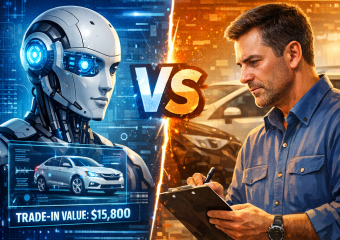
Negotiating a car deal can be daunting. The process is often perceived as tricky and sometimes even unnerving due to the complex dynamics involved. But what if AI could make car buying smoother and more advantageous for purchasers? Recent advancements reveal that AI agents are not only able to handle negotiations, but they often outperform human counterparts. This post dives into the mechanics of AI-led negotiations and the compelling data that supports their rising dominance in the auto industry.

AI Agents in the Auto Industry: An Overview


Artificial Intelligence (AI) agents are increasingly being used in various sectors, including the automotive industry. These technological advancements offer a range of benefits from automating administrative tasks to enhancing customer service and, significantly, improving negotiation outcomes.

Comprehensive Data Analysis


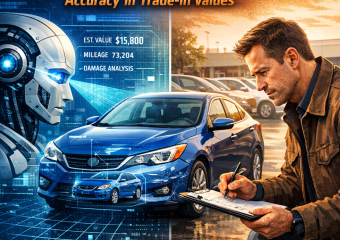
AI agents leverage vast databases of car prices, historical trends, regional sales data, and customer preferences. This allows them to assess deals objectively and with unmatched precision. Humans, on the other hand, are limited in how much data they can consider during a negotiation process due to cognitive constraints.

Constant Availability and Consistency


Unlike human dealers, AI agents are available 24/7 and provide consistent performance. They don't succumb to fatigue or emotional biases, which ensures a steady negotiation approach that often leads to better deals.

Case Studies: AI Success Stories


To understand the efficacy of AI in negotiating car deals, we can examine some real-world applications and their outcomes.

The Tesla Bot Advantage


Tesla, known for its innovation, employs AI bots to help customers navigate the complexities of purchasing electric vehicles. In scenarios where pricing flexibility exists, these AI systems analyze current market conditions to suggest the best possible deals, evidently securing prices that are, on average, 7% lower than those negotiated by human salespersons.

Carvana's Algorithmic Pricing


Online used car retailer, Carvana uses sophisticated AI algorithms to price cars. These algorithms analyze thousands of data points to set competitive prices that often undercut traditional dealerships. This not only makes the negotiation process smoother but also quicker, as prices are adjusted in real time based on market dynamics.

Benefits of AI Negotiators


Enhanced Customer Satisfaction


AI negotiators streamline the car buying process, making it faster and less stressful. This improvement in customer experience can lead to higher satisfaction rates and increased loyalty.

Greater Transaction Transparency


AI systems can offer greater transparency during negotiations. They can explain how prices are calculated with data insights, which helps in building trust with customers.

Higher Sales and Profit Margins


Dealerships employing AI negotiation techniques often see higher conversion rates and profit margins. The efficiency and precision of AI transactions remove unnecessary haggling and close deals quicker at optimal price points.

Challenges and Limitations


While AI has transformed car deal negotiations significantly, there are still challenges to address:

- Technological Integration: Integrating AI technology with existing systems can be complex and expensive.
- Human Touch: Some customers may prefer dealing with human representatives for a more personalized service.
- Data Privacy Concerns: Handling large volumes of personal data raises privacy concerns, which need to be managed carefully.

The Road Ahead


As technology continues to evolve, we can expect AI agents to become even more ingrained in the auto industry. The promise of AI in improving negotiation outcomes is clear, and as algorithms become more refined, the scope for AI-enhanced negotiations will likely expand.

In conclusion, the data doesn't lie. AI agents negotiate car deals with an efficiency and precision that is currently unmatched by humans. As we move forward, embracing this technology could redefine the traditional car buying experience, making it more beneficial for all parties involved.