
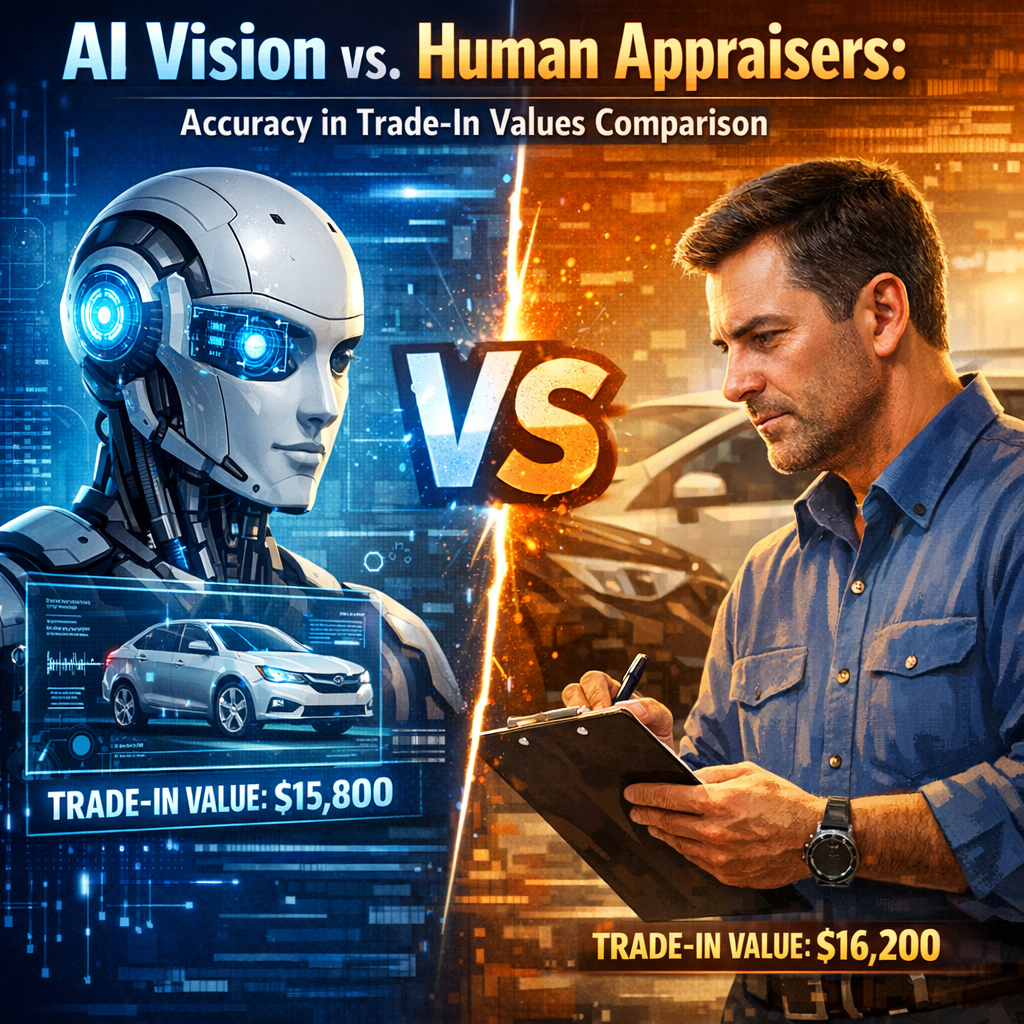
AI Vision vs. Human Appraisers: Accuracy in Trade-In Values Comparison
AI Vision vs. Human Appraisers: Which Delivers More Accurate Trade‑In Values?
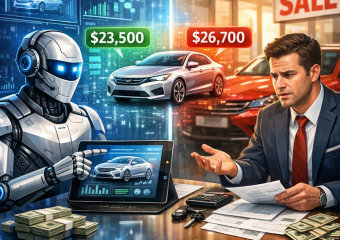
In the complex world of automobile trade-ins, accurate evaluations are crucial for fair transactions. Traditionally, human appraisers have dominated the scene, relying on their expertise and experience. However, recent advancements in Artificial Intelligence (AI) vision have introduced a new contender in the valuation process. This raises a fundamental question: Which method delivers more precise trade-in values, AI vision or human appraisers?
Understanding AI Vision and Human Appraisal Techniques
Before delving into their accuracy, let’s first understand the distinct methods employed by both approaches:

AI Vision
AI vision systems utilize machine learning algorithms and neural networks to assess the condition of a vehicle. These systems analyze thousands of data points from images and other sensors to evaluate aspects like paint condition, dents, and interior wear.
Human Appraisers
Human appraisers bring in their experience and personal touch. They inspect vehicles based on manual techniques and years of industry knowledge. Their evaluation includes more subjective elements such as market demand and potential aftermarket upgrades.
Accuracy in Evaluating Trade-In Values
Benefits of AI Vision
- Consistency and Standardization: AI systems provide consistent results, avoiding the subjective biases that human appraisers might have. This standardization ensures fairness in valuation across different transactions.
- Comprehensive Data Analysis: AI vision can analyze multiple aspects of a vehicle almost instantaneously, a process that would take a human significantly longer.
- Integration with Large Databases: AI systems can access vast databases for comparable sales, market trends, and historical pricing, which are used to refine the accuracy of their appraisals.
Advantages of Human Appraisers
- Contextual Understanding: Humans can understand broader context and subtleties, such as the importance of vehicle provenance, which might be overlooked by AI.
- Adaptability: Human appraisers can easily adapt to new information or unique scenarios not yet programmed into AI systems.
- Nuanced Judgments: Elements such as the quality of vehicle repairs or the feel of the driving experience are better assessed by humans.
Comparative Studies and Real-World Application
Several comparative studies show differing results on accuracy. In scenarios involving common vehicle models under typical conditions, AI vision systems tend to outperform humans in terms of consistency and time efficiency. However, in the luxury or vintage car segment, human appraisers provide better value estimations due to their understanding of the unique aspects of these vehicles.
The Best of Both Worlds
Given the pros and cons of each method, a hybrid approach might be the most effective in achieving accurate vehicle appraisals. Here’s how the synergy can work:
- Initial AI Assessment: AI vision systems can be used to conduct a preliminary check, quickly identifying any major issues or modifications.
- Human Oversight and Final Evaluation: Human appraisers can then review the AI report, add their insights, particularly for unique or rare vehicles, and make final adjustments based on their nuanced understanding.
Conclusion: Toward a Collaborative Future
The debate between AI vision and human appraisers is not about choosing one over the other. Instead, it’s about leveraging the strengths of both to improve the accuracy and efficiency of trade-in value appraisals. While AI brings speed and precision, humans provide context and depth. A collaborative approach, therefore, seems to be the future of vehicle appraisals, ensuring that both car sellers and buyers receive the fairest and most accurate values for their transactions.