# The Decentralized Dealership: How AI Is Reshaping Inventory Distribution Nationwide

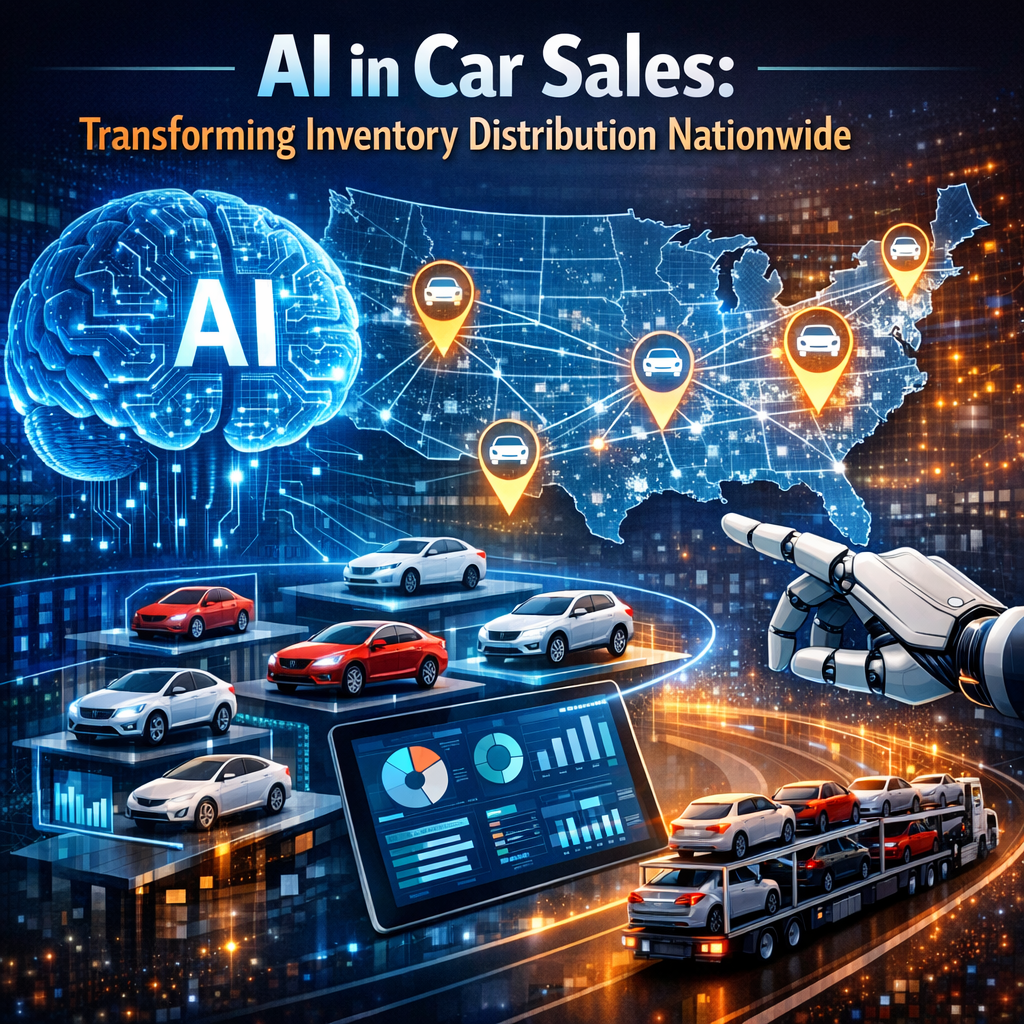
The automotive industry is undergoing a significant transformation, driven by advancements in artificial intelligence (AI). One of the most impactful changes is the rise of decentralized dealerships, a new model that leverages AI to optimize inventory distribution across the nation. This model promises to streamline operations, reduce costs, and improve customer satisfaction.

Understanding Decentralized Dealerships


Decentralized dealerships refer to the use of technology to distribute automotive inventory across a network of locations, rather than centralizing stock in a few large lots. This approach uses predictive analytics and machine learning to match inventory with regional demand, ensuring that the right vehicles are available where customers are looking for them.

Key Benefits:

- Reduced Inventory Costs: Less capital is tied up in unsold vehicles.
- Enhanced Customer Experience: Customers find the models they want more easily.
- Lower Logistics Costs: Shorter distances for vehicle distribution reduce shipping costs.

The Role of AI in Modern Inventory Distribution


AI is the backbone of decentralized dealership models. Through complex algorithms, AI analyzes vast amounts of data to predict buying trends, optimize stock levels, and route vehicles efficiently.

AI-driven Processes:

- Demand Forecasting: AI predicts which vehicles will be in demand in specific areas, adjusting inventory in real-time.
- Price Optimization: Machine learning helps set dynamic pricing models based on supply and demand.
- Logistics Coordination: AI coordinates logistics to move vehicles more efficiently between locations.

Case Studies: AI in Action


Across the United States, several dealers are already benefiting from AI-driven decentralized models.

1. New York City: A dealership uses AI to predict demand for electric vehicles, which are popular in urban areas, ensuring a steady supply without overstock.
2. Rural Wyoming: AI helps a local dealer stock more SUVs and trucks, which are preferred for their utility in rural settings.
3. California: Dealerships use AI to balance inventories of hybrid and traditional cars based on evolving consumer preferences driven by state regulations.

Challenges and Opportunities


While the decentralized dealership model offers numerous advantages, it also presents challenges that need to be addressed.

Challenges:

- Data Privacy: Collecting and analyzing consumer data raises concerns that must be managed carefully.
- Technology Costs: Initial setup and maintenance of AI systems can be expensive.
- Staff Training: Employees must be trained to use new systems and understand AI insights.

Opportunities:

- Expansion into New Markets: Dealers can manage inventory in multiple locations, reducing the risk associated with regional demand shifts.
- Customer Loyalty Programs: AI can help tailor marketing to individual preferences, enhancing customer retention.
- Sustainability Efforts: Efficient distribution reduces carbon footprints, aligning with environmental goals.

Looking Ahead: The Future of Auto Sales


The decentralized dealership model, powered by AI, is poised to expand. As technology evolves, so too will the capabilities and efficiency of this model. Future advancements may include greater integration with online sales platforms and even more personalized customer interaction tools.

Dealers who adopt this innovative approach early may enjoy a competitive advantage in a rapidly changing automotive landscape, where flexibility and responsiveness are key to success.

In conclusion, AI is not just reshaping inventory distribution; it is reshaping how dealers think about their entire business model. From logistics to customer service, the impacts are profound and promising for those who embrace the change.