
Future of Car Trade-Ins: Instant Value with No Dealership Visit
The Future of Trade‑Ins: Scan Your Car, Get Instant Value, No Dealership Needed
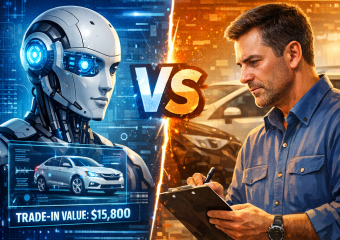
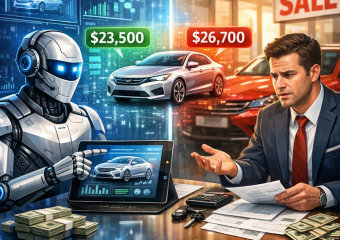
In a world where technology influences every aspect of our lives, the automotive industry is also undergoing a significant transformation. The traditional process of trading in your old vehicle typically involves visiting multiple dealerships, haggling over prices, and often, enduring time-consuming paperwork. However, an innovative approach is reshaping this dynamic: the use of smart technology to scan your car and instantly determine its value, all without setting foot in a dealership.
The Rise of Digital Trade-In Tools
Seamless Scan-and-Value Systems
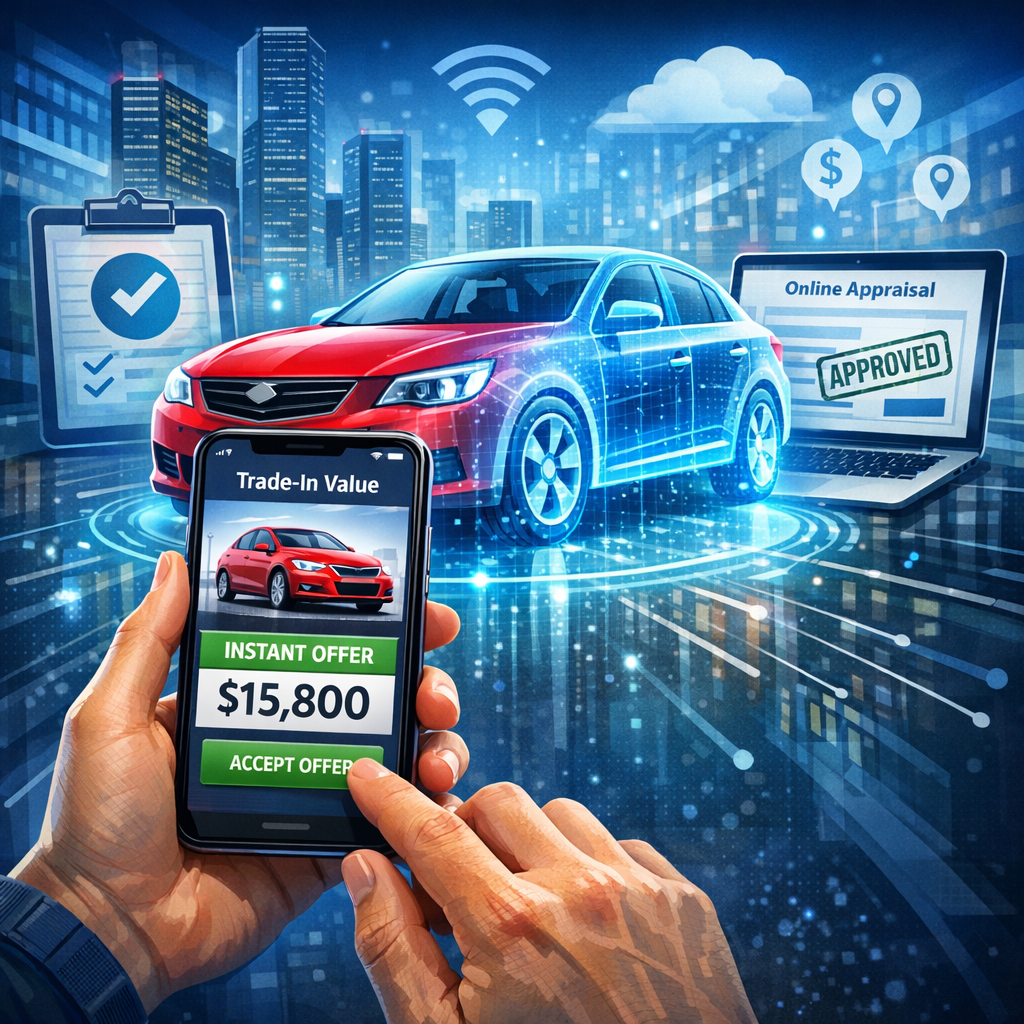
Modern car owners can now benefit from technologies that allow them to receive a fair and transparent car valuation within minutes. These tools use advanced algorithms and vast databases of car sales and conditions to assess the value of a vehicle accurately. By simply scanning the vehicle’s VIN (Vehicle Identification Number) or even taking a few photographs, car owners can skip the traditional appraisal process.

How Does It Work?
- Download the App: Users start by downloading a mobile application developed by tech startups or automotive companies.
- Enter or Scan Information: You can manually enter details or use your smartphone’s camera to scan the VIN barcode.
- Provide Additional Details: Input other necessary information such as mileage, modifications, and recent repairs.
- Receive Your Estimate: The app processes this information using its proprietary algorithm to give you an instant estimated trade-in value.
Benefits of Digital Trade-In Platforms
Convenience and Speed
With digital trade-in platforms, the entire process can be completed from the comfort of your home. This system eliminates the need to drive to a dealership and spend hours waiting for an appraisal. The instant scanning and valuation process takes just a few minutes.
Accuracy and Fairness
These platforms use comprehensive data analytics which consider current market trends and real sales data to determine a fair valuation. This method reduces the subjective judgment that often influences dealership trade-in values.
No Obligation
Most of these tools do not compel the car owner to commit immediately. You receive your car’s estimated value and then decide if and when you want to proceed with the trade-in or sale, providing significant control over the transaction.
Potential Challenges and Solutions
Data Privacy and Security
The biggest concern with any digital tool is the security and privacy of user data. It is crucial for these platforms to implement robust security measures to protect the data from unauthorized access.
Solution: Opt for platforms that are transparent about their data handling and security protocols and comply with relevant regulations.
Integration with Dealerships
While the process excludes visiting a dealership initially, the final trade-in or sale often requires interaction with car dealers.
Solution: Some digital platforms are partnering with dealerships to streamline the transition from digital appraisal to final sale, ensuring a seamless experience.
The Role of AI and Future Enhancements
Moving forward, the integration of artificial intelligence will further enhance the accuracy and efficiency of car valuations. AI can analyze larger datasets, consider more variables, and learn from user feedback to refine its assessments. Furthermore, future developments might include:
- Real-time Market Adjustments: Dynamically adjusting valuations based on real-time market data.
- Enhanced Vehicle Inspection: Using AI to analyze video footage of cars for more detailed condition checks.
- Blockchain for Ownership History: Implementing blockchain technology to maintain a tamper-proof record of vehicle histories.
Conclusion
The future of car trade-ins is here, and it promises a more efficient, fair, and straightforward method of determining your vehicle’s worth—with the added convenience of doing so from your living room. As we look to the future, these technologies not only suggest a shift in how we trade in our vehicles but also signal a broader transformation towards more user-friendly and technologically advanced automotive transactions.